Care guide
Sick Cat Heavy Breathing: When to Seek Urgent Help
<pHealthy cats breathe smoothly and quietly through their noses without noticeable effort. Observing a sick cat heavy breathing is always a sign that requires immediate,
Guide
<p>Healthy cats breathe smoothly and quietly through their noses without noticeable effort. Observing a sick cat heavy breathing is always a sign that requires immediate, careful evaluation. Labored respiration can originate from varied sources, such as feline asthma, fluid around the lungs, heart complications, severe trauma, or acute allergic reactions.</p>
Recognizing Critical Signs of a Sick Cat Heavy Breathing
<p>Because cats hide respiratory fatigue until their reserves are low, certain symptoms demand emergency veterinary attention without delay:</p> <ul><li><strong>Open-Mouth Breathing or Panting:</strong> Unlike dogs, cats rarely pant from normal exertion; open-mouth panting often indicates significant distress.</li> <li><strong>Exaggerated Abdominal Effort:</strong> Look for pronounced stomach motion or sides heaving with every single inhalation.</li> <li><strong>Pale, Blue, or Gray Gums:</strong> Gums that lose their healthy pink color suggest reduced oxygen delivery.</li> <li><strong>Head and Neck Extension:</strong> A cat stretching their chin forward while keeping their elbows flared is actively trying to expand their airway.</li> </ul>
Safe, Low-Stress Actions for Pet Owners
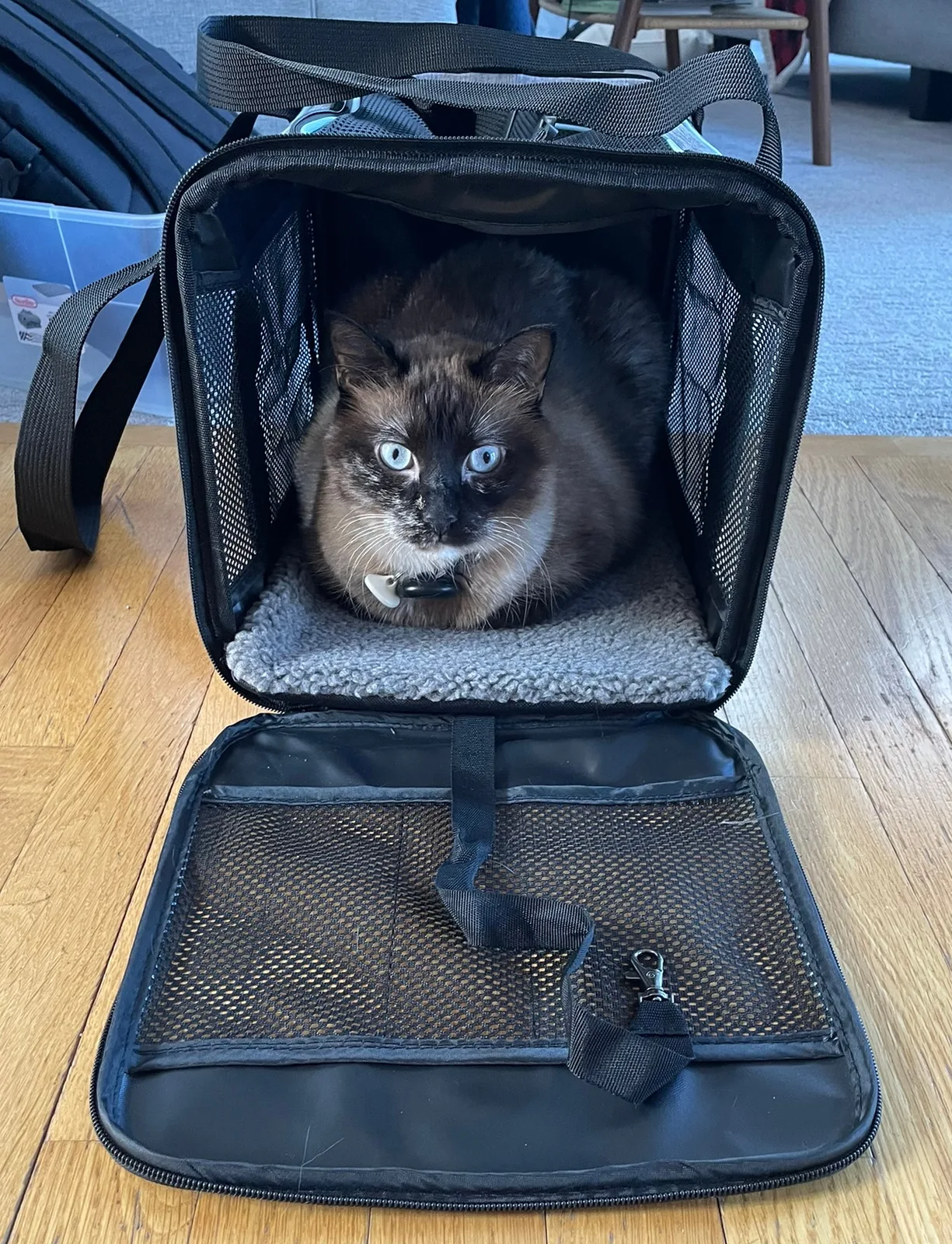
<p>If your cat shows obvious breathing difficulty, focus entirely on reducing stress. Do not attempt to restrain them, give fluids, or force them into an unnatural position. Place your cat gently into a secure, well-ventilated carrier lined with a soft towel. Minimize loud noises, avoid harsh vehicle acceleration, and call the nearest emergency veterinary hospital ahead of time so their team can prepare an oxygen station.</p> <p>When breathing changes are milder but persistent, still schedule an evaluation promptly. Documenting your cat’s resting respiratory pattern and noting changes in appetite will assist the veterinary team. Because respiratory compromise can escalate quickly, immediate guidance from a licensed veterinarian remains crucial.</p> <p>This article is general information, not a diagnosis; a licensed veterinarian can advise on your cat’s individual situation.</p>
Related guides
Cat Health / First Aid
What to Do If Your Cat Seems Sick
<pLearning what to do if your cat seems sick helps you respond with steady, calm assurance rather than panic. Because ca
Cat Health / First Aid
How to Care for a Sick Cat at Home
<pUnderstanding how to care for a sick cat at home allows you to offer comfort, reduce environmental stress, and support
Cat Health / First Aid
Sick Cat Not Eating or Drinking: A Safety Guide
<pFinding that you have a sick cat not eating or drinking can feel unsettling for any pet parent. Felines are subtle cre
Cat Health / First Aid
What to Ask a Vet About a Sick Cat That Is Throwing Up
<pWatching your companion retch can be alarming, but knowing what to ask a vet about a sick cat that is throwing up help
Cat Health / First Aid
How to Care for a Sick Stray Cat Safely
<pEncountering an outdoor feline in distress requires a balanced approach, so understanding how to care for a sick stray