Care guide
How to Care for a Sick Stray Cat Safely
<pEncountering an outdoor feline in distress requires a balanced approach, so understanding how to care for a sick stray cat safely protects both your personal well-being
Guide
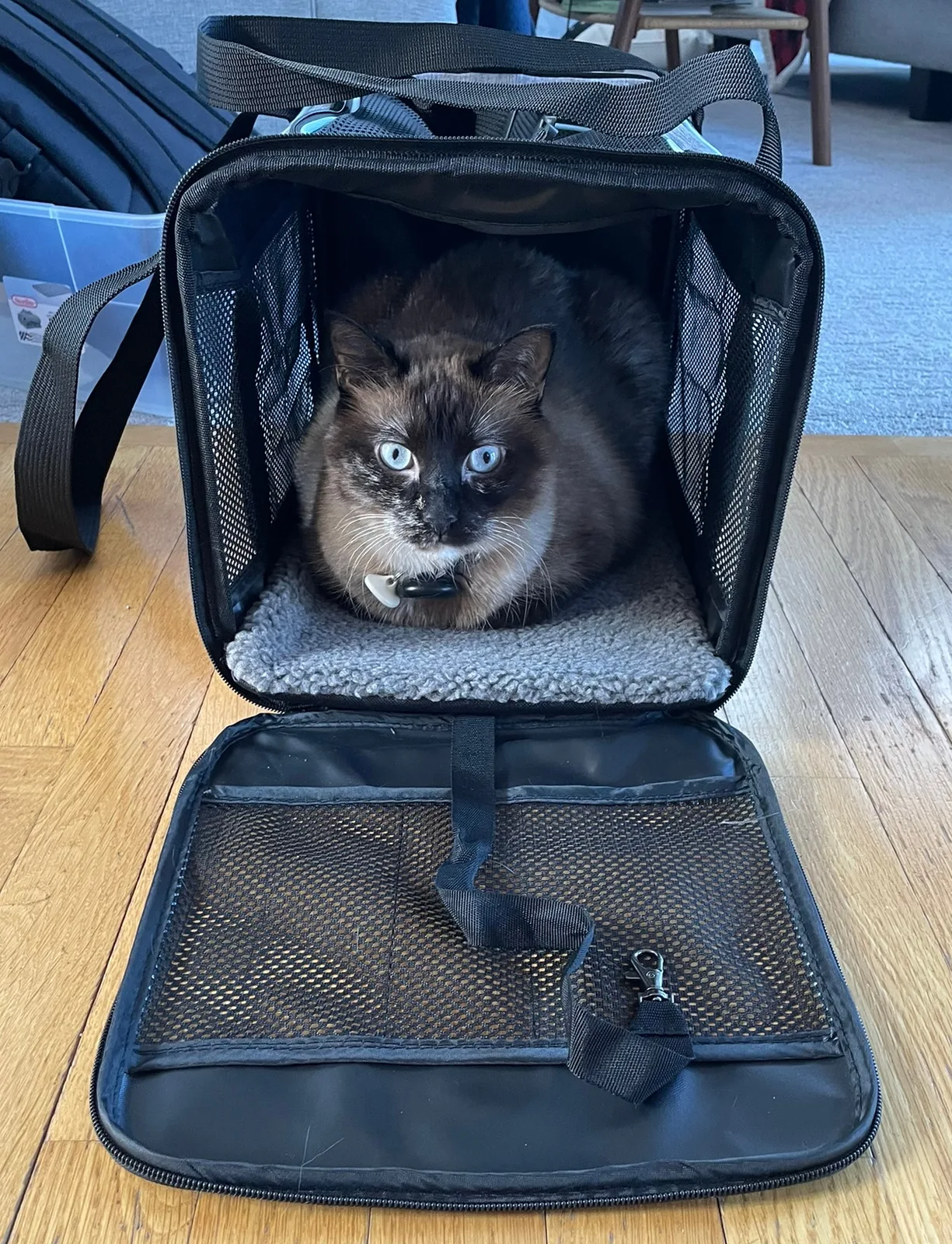
<p>Encountering an outdoor feline in distress requires a balanced approach, so understanding how to care for a sick stray cat safely protects both your personal well-being and the animal. Stray cats may be frightened, injured, or carrying contagious pathogens, meaning gentle boundaries and safety precautions must guide your assistance.</p>
How to Care for a Sick Stray Cat Safely Before Veterinary Intake
Your primary goal is to provide quiet shelter and stabilization until a professional can examine the animal. Similar clinical signs—such as discharge, lethargy, or coughing—can stem from diverse viral, parasitic, or environmental causes that require diagnostic tests. Immediate emergency transport is crucial if you detect obvious breathing difficulty, sudden collapse, uncontrolled bleeding, or suspected poisoning; otherwise, focus on minimizing handling stress. <p>Follow this practical containment checklist:<br><ul><li>Wear thick gloves and long sleeves when setting up a secure pet carrier or humane crate</li><br><li>House the cat in an isolated, warm room (like a spare bathroom) away from resident pets</li><br><li>Provide fresh water, palatable canned food, and a clean litter box (or disposable litter tray)</li><br><li>Place a light towel over the carrier to offer darkness and a feeling of security</li><br></ul><br>
Documenting Observations for the Clinic
<br>Contact a veterinarian or local animal welfare group before transporting the stray. Having accurate notes streamlines intake:<br><ul><li>General physical appearance, including visible wounds, nasal discharge, or matted fur</li><br><li>Whether the cat has an ear tip, collar, or potential microchip</li><br><li>Willingness to eat, drink, or use the litter pan</li><br><li>Vocalizations, aggression levels, or signs of bodily pain</li><br></ul><br>This article is general information, not a diagnosis; a licensed veterinarian can advise on your cat’s individual situation.</p>
Related guides
Cat Health / First Aid
What to Do If Your Cat Seems Sick
<pLearning what to do if your cat seems sick helps you respond with steady, calm assurance rather than panic. Because ca
Cat Health / First Aid
How to Care for a Sick Cat at Home
<pUnderstanding how to care for a sick cat at home allows you to offer comfort, reduce environmental stress, and support
Cat Health / First Aid
Sick Cat Not Eating or Drinking: A Safety Guide
<pFinding that you have a sick cat not eating or drinking can feel unsettling for any pet parent. Felines are subtle cre
Cat Health / First Aid
Sick Cat Heavy Breathing: When to Seek Urgent Help
<pHealthy cats breathe smoothly and quietly through their noses without noticeable effort. Observing a sick cat heavy br
Cat Health / First Aid
What to Ask a Vet About a Sick Cat That Is Throwing Up
<pWatching your companion retch can be alarming, but knowing what to ask a vet about a sick cat that is throwing up help