Care guide
How to Care for a Sick Feral Cat Without Adding Stress
<pCommunity cats thrive on independence, which makes learning how to care for a sick feral cat without adding stress vital when health problems arise. Because unsocialize
Guide
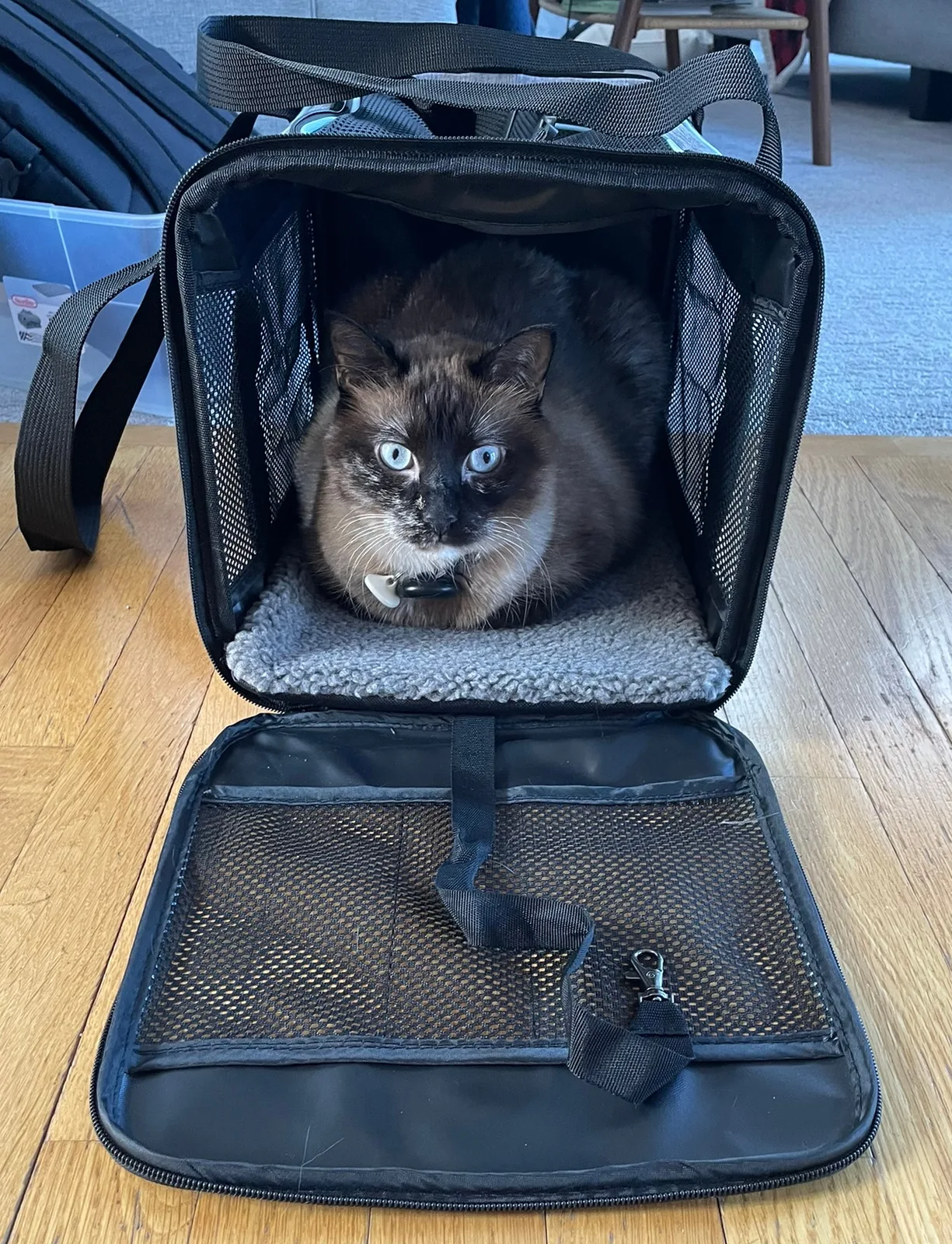
<p>Community cats thrive on independence, which makes learning how to care for a sick feral cat without adding stress vital when health problems arise. Because unsocialized cats view human contact as a severe threat, standard nursing techniques can trigger panic, worsening their physical strain. A hands-off, structured approach keeps everyone secure while facilitating necessary medical assistance.</p>
Low-Contact Shelter and Observation Principles
A feral cat displaying physical distress—such as severe limping, dull eyes, or crusty nasal discharge—may be dealing with any number of viral infections, dental abscesses, or physical trauma. Because diverse health conditions present identically, an accurate assessment demands professional veterinary insight. Seek urgent veterinary rescue immediately if you spot obvious breathing difficulty, collapse, uncontrolled bleeding, or suspected poisoning; otherwise, manage the situation through low-stress containment. <p>Essential low-stress care practices include:<br><ul><li>Never attempting to pet, scruff, or hold an unsocialized cat with bare hands</li><br><li>Using a humane box trap lined with newspaper rather than an open carrier for safe confinement</li><br><li>Covering the trap entirely with a dark sheet or breathable blanket to instantly induce calm</li><br><li>Keeping the contained cat in a temperature-controlled, draft-free, quiet garage or bathroom</li><br></ul><br>
How to Care for a Sick Feral Cat Without Adding Stress During Vet Coordination
<br>Before attempting capture or transport, consult a clinic or trap-neuter-return (TNR) rescue experienced with community felines. Note the following questions to discuss with the veterinary staff:<br><ul><li>Do you have facilities and feral-friendly equipment to evaluate an unhandled cat?</li><br><li>How should I supply food or water without opening the trap door?</li><br><li>What is the safest plan for recovery before returning the cat to its colony?</li><br></ul><br>This article is general information, not a diagnosis; a licensed veterinarian can advise on your cat’s individual situation.</p>
Related guides
Cat Health / First Aid
What to Do If Your Cat Seems Sick
<pLearning what to do if your cat seems sick helps you respond with steady, calm assurance rather than panic. Because ca
Cat Health / First Aid
How to Care for a Sick Cat at Home
<pUnderstanding how to care for a sick cat at home allows you to offer comfort, reduce environmental stress, and support
Cat Health / First Aid
Sick Cat Not Eating or Drinking: A Safety Guide
<pFinding that you have a sick cat not eating or drinking can feel unsettling for any pet parent. Felines are subtle cre
Cat Health / First Aid
Sick Cat Heavy Breathing: When to Seek Urgent Help
<pHealthy cats breathe smoothly and quietly through their noses without noticeable effort. Observing a sick cat heavy br
Cat Health / First Aid
What to Ask a Vet About a Sick Cat That Is Throwing Up
<pWatching your companion retch can be alarming, but knowing what to ask a vet about a sick cat that is throwing up help