Care guide
Cat Dental Care at Home: A Gentle Routine
<pMaintaining oral hygiene is a pillar of long-term feline comfort, and establishing consistent cat dental care at home can help reduce tartar accumulation and gum sensit
Guide
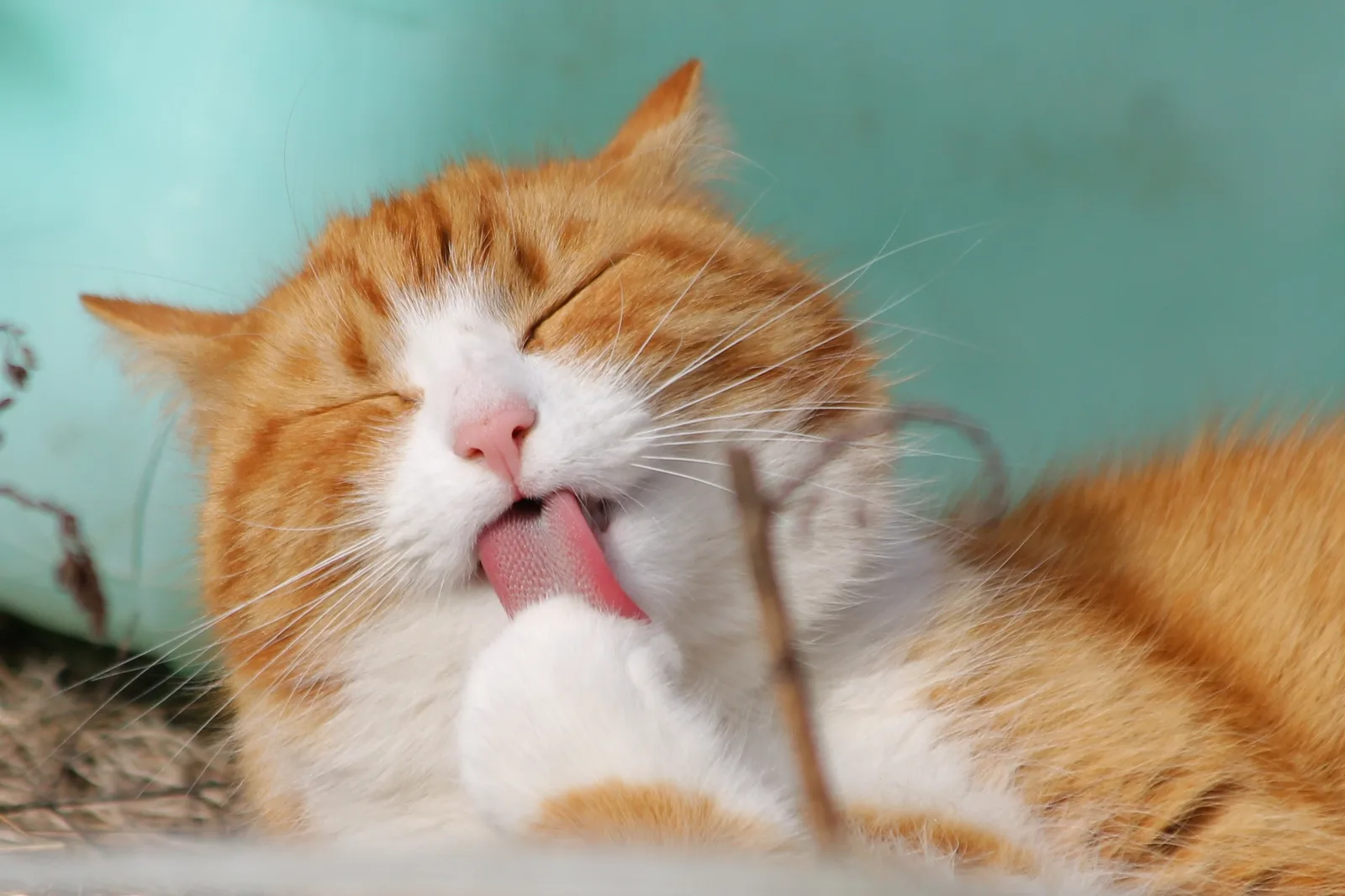
<p>Maintaining oral hygiene is a pillar of long-term feline comfort, and establishing consistent cat dental care at home can help reduce tartar accumulation and gum sensitivity. Cats often hide mouth pain until eating becomes difficult, so introducing gentle habits gradually ensures that hygiene sessions remain positive rather than adversarial.</p>
Establishing Cat Dental Care at Home Through Slow Desensitization
Never rush into brushing your cat’s teeth on the first day. Rushing creates negative associations, leading to avoidance or defensive scratching. Start by pairing head pets with light touches along the lips, rewarding cooperative behavior with praise or a beloved treat. Once your pet accepts touch around the muzzle, introduce a feline-specific enzymatic paste on a finger before eventually transitioning to a soft finger brush. <p>Follow this gentle progression checklist:<br><ul><li>Begin by letting your cat lick a poultry-flavored pet toothpaste off your finger</li><br><li>Gently lift the upper lip to briefly touch the outer surface of the canine teeth</li><br><li>Avoid touching the inner side of teeth, as the tongue naturally cleans those surfaces</li><br><li>Stop immediately if your cat tenses, turns away, or shows irritation</li><br></ul><br>
Monitoring Oral Health and Consulting Your Vet
<br>Feline mouth discomfort—such as dropping food, pawing at the mouth, bad breath, or drooling—can arise from diverse causes, including resorptive lesions, gingivitis, or broken teeth. Immediate emergency care is warranted if you observe obvious breathing difficulty, sudden collapse, uncontrolled bleeding, or suspected poisoning; otherwise, schedule a routine dental examination.</p> <p>Helpful questions to bring to your appointment include:<br><ul><li>Does my cat currently show any tartar buildup or inflamed gums?</li><br><li>Are veterinary-approved dental treats or water additives suitable for my cat?</li><br><li>How often should professional dental cleanings under anesthesia be scheduled?</li><br></ul><br>This article is general information, not a diagnosis; a licensed veterinarian can advise on your cat’s individual situation.</p>
Related guides
Cat Health / Dental Care
Sick Cat Drooling: Questions for Your Vet
<pWhile some cats purr and produce a little moisture when completely relaxed, finding a sick cat drooling unexpectedly i