Care guide
Cat Body Language: Tails, Ears, and Eyes
<pLearning to interpret cat body language: tails, ears, and eyes gives you valuable insight into your feline companion's inner emotional state. Cats communicate their fee
Guide
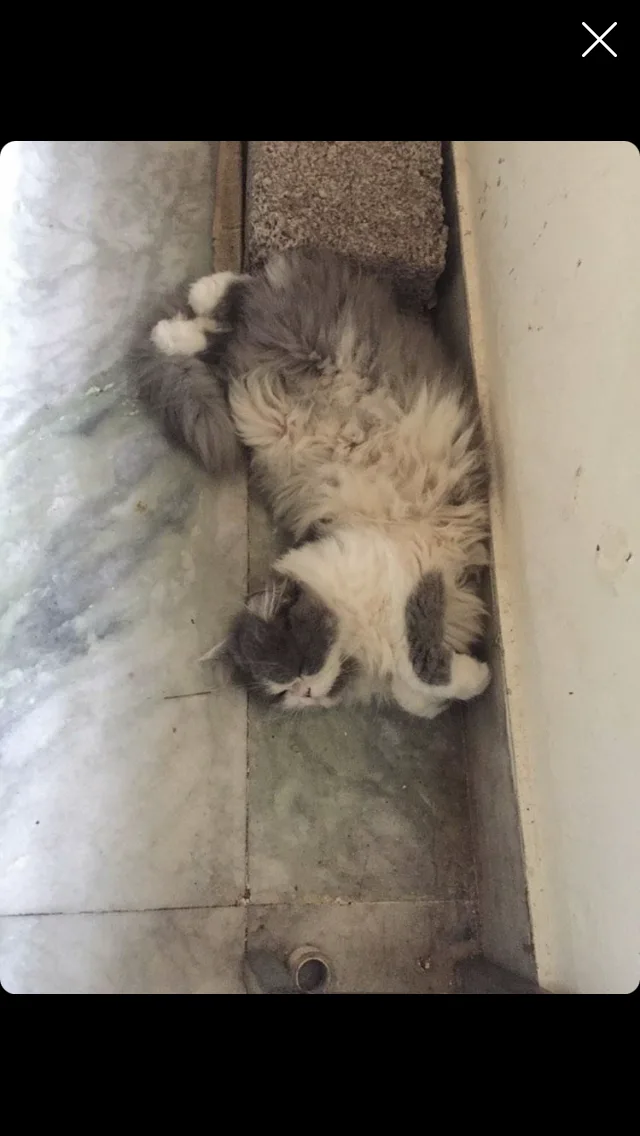
<p>Learning to interpret cat body language: tails, ears, and eyes gives you valuable insight into your feline companion’s inner emotional state. Cats communicate their feelings through subtle physical cues, and reading these signals helps you respond with appropriate care and boundaries.</p>
Reading Cat Body Language: Tails, Ears, and Eyes Together
To accurately interpret your cat’s mood, assess the entire posture rather than focusing on a single feature in isolation. Look for these visual markers: <ul><li><strong>Tails:</strong> An upright tail with a gentle curve at the tip indicates confidence and friendly greeting. A low, tucked tail reflects fear or uncertainty, while rapid thrashing or swishing signals overstimulation or growing annoyance.</li> <li><strong>Ears:</strong> Relaxed ears pointing forward signify curiosity or contentment. Ears flattened back against the head (“airplane ears”) suggest acute fear, anxiety, or defensiveness.</li> <li><strong>Eyes:</strong> Slow-blinking, softly focused eyes convey trust and ease. Widely dilated pupils in bright light, paired with an unblinking stare, often point to excitement, fear, or territorial tension.</li> </ul>
Everyday Observation and Practical Support
Observing your cat during everyday moments—such as mealtime, petting sessions, and rest—helps you establish their unique behavioral baseline. If your cat displays flattened ears or a swishing tail during handling, pause immediately and give them space. <p>Note recurring posture combinations in a daily journal. If relaxed body language suddenly shifts to persistent crouching, hiding, or extreme tension, consider sharing these notes with your vet, as pain can mimic anxiety. Obvious crises like open-mouthed breathing difficulty, sudden collapse, uncontrolled bleeding, or suspected poisoning require emergency veterinary care.</p> <p>This article is general information, not a diagnosis; a licensed veterinarian can advise on your cat’s individual situation.</p>
Related guides
Cat Behavior / Understanding Behavior
Why Does My Cat Meow at Night?
<pIf you find yourself asking, "why does my cat meow at night?", you are not alone. Nighttime vocalizations can disrupt
Cat Behavior / Understanding Behavior
How to Redirect a Cat Scratching Furniture
<pUnderstanding how to redirect a cat scratching furniture begins with recognizing that scratching is a normal, healthy